The Three Energy Zones
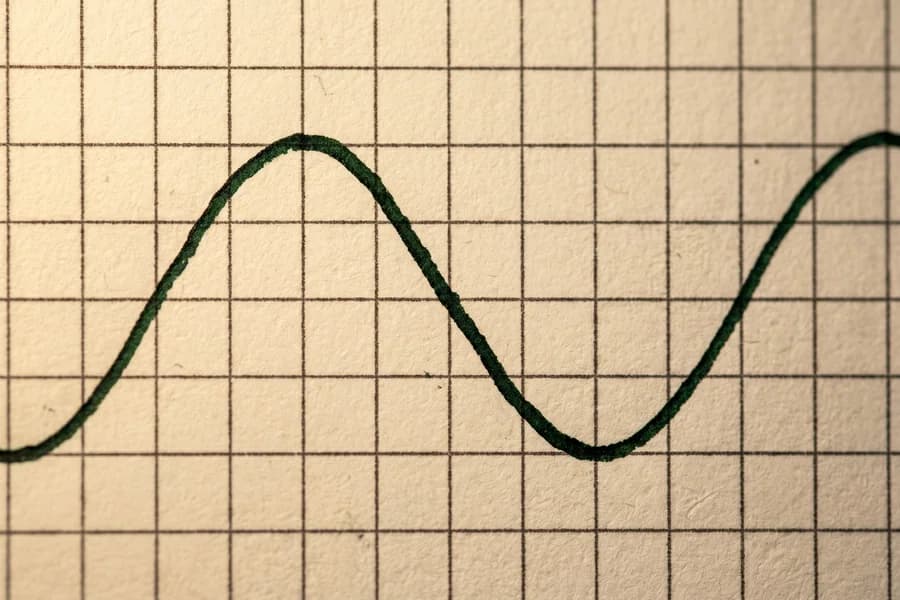
Your daily energy follows a predictable arc — different for morning types and evening types, but roughly stable across weeks for any individual.
Within that arc, there are three zones:
- Peak: your highest cognitive capacity, typically 90-120 minutes after waking. Best for work requiring original thought, complex decision-making, deep writing.
- Trough: a post-lunch dip in alertness and mood. Best for low-stakes administrative work — replying to simple emails, scheduling, data entry.
- Rebound: a mid-to-late afternoon return of moderate energy. Best for collaborative work, meetings, and tasks requiring social intelligence.
Why This Matters
Doing deep work in the trough is not just inefficient — it produces lower-quality output that often needs to be redone. Scheduling creative work during peak and saving admin for the trough is not self-indulgence. It is precision resource allocation.
Building an Energy Profile
For one week, track your subjective energy on a 1-10 scale at 9am, noon, 2pm, and 5pm. Most people will see a clear pattern by day three.
Once you know your pattern, restructure your task schedule to match:
- Block peak hours for the task you most need to think deeply about
- Reserve trough for the inbox and the calendar
- Schedule meetings and creative collaboration for the rebound
The Override Fallacy
Caffeine can temporarily mask a trough. It cannot replicate peak cognitive function. Chasing peak performance with stimulants during low-energy windows degrades future recovery and flattens the peak itself over time.