
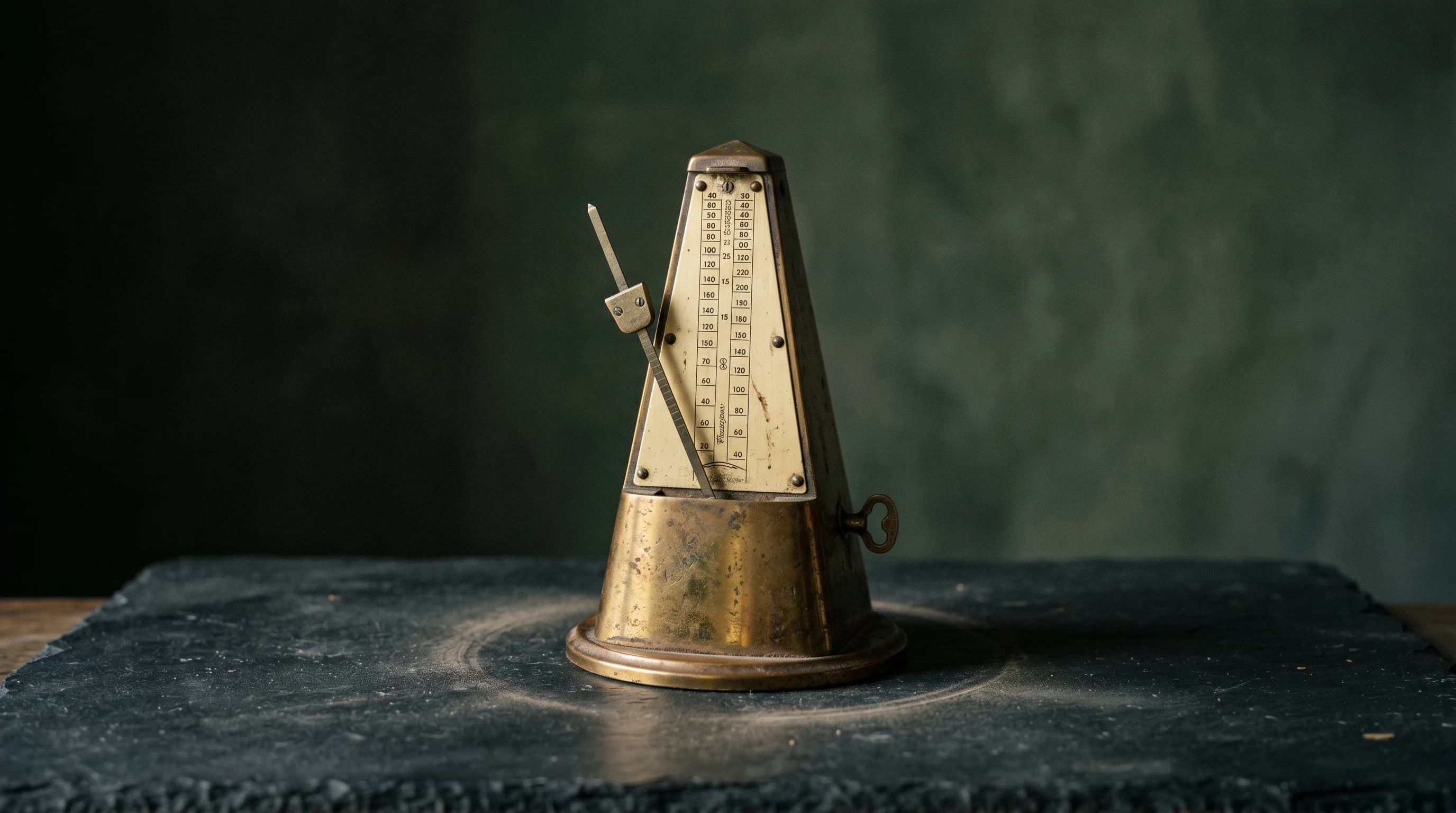
Your resting heart rate—the number of beats per minute when you're fully at rest—is the single most stable biomarker you can track daily, and it reveals adaptation, stress, and recovery more reliably than almost any other signal your body produces.
Why Resting Heart Rate Matters More Than You Think
Most fitness metrics are noisy. Steps fluctuate with your schedule. Weight swings with hydration and meals. Even sleep duration varies night to night. But your resting heart rate, measured consistently under the same conditions, operates on a different timescale. It reflects your cardiovascular system's underlying efficiency, not just today's activity.
When your body adapts to training, manages stress well, or recovers from illness, your RHR trend moves downward over weeks and months. The heart becomes more efficient, pumping more blood per beat, so it needs fewer beats to maintain circulation at rest. Conversely, when you're under-recovered—whether from overtraining, poor sleep, alcohol, dehydration, or mounting illness—your morning heart rate climbs. The heart compensates for reduced efficiency or increased demand by beating faster.
This isn't about chasing a specific number. A trained endurance athlete might sit at 45 bpm; someone else in excellent health might rest at 68. The absolute value matters far less than the pattern. A sudden jump of 5-8 beats above your personal baseline is a recovery signal worth noticing. It's your body saying it's working harder than usual to maintain equilibrium, even while you're lying still.
The challenge is consistency. Resting heart rate is only meaningful when measured the same way every time: same position (lying or sitting), same time (ideally upon waking), same state (before caffeine, before scrolling). Without this discipline, the signal drowns in noise.
How to Track and Interpret Your Baseline
Start by establishing your personal baseline. Measure your resting heart rate each morning for two weeks under identical conditions. Most wearables do this automatically overnight or upon waking, but a manual pulse check works just as well—60 seconds on your wrist or neck, first thing after your alarm.
Once you have a baseline range, watch for deviations:
- Elevated 5+ bpm: consider a rest day, lighter training, or earlier sleep. Something is demanding extra recovery.
- Gradually declining over weeks: your fitness is improving, or your stress load has decreased. The trend is adaptation.
- Stable: you're in equilibrium. Maintain your current load.
- Volatile day-to-day: review your measurement protocol. Inconsistent timing, posture, or stress before measuring creates false signals.
Pair your morning heart rate with subjective notes—how you slept, soreness, mood. The combination tells a clearer story than the number alone. And remember, this is a trend tool, not a daily verdict. A single high reading might be random; three in a row is a pattern.
For a broader perspective on how resting heart rate fits into a complete tracking practice, see our guide on AI health tracking.
How LIFE Helps
The LIFE body module logs your resting heart rate each morning alongside sleep quality, energy, and training load, surfacing patterns you'd otherwise miss. It doesn't just store numbers—it flags meaningful deviations from your baseline and suggests rest, recovery, or load adjustments based on your trend, not arbitrary thresholds. The system learns your normal, so the signal stays clean. → Start free with LIFE.
FAQ
What is a normal resting heart rate?
For most adults, 60–100 bpm is considered normal, but athletes and highly active individuals often rest in the 40–60 range. Your personal baseline is more important than population averages. Consistency and trend matter more than hitting a specific number.
When should I measure my resting heart rate?
Measure immediately upon waking, before getting out of bed, using caffeine, or checking your phone. Lie still for a minute, then take your pulse or check your wearable. The same time and conditions every day ensure the cleanest signal.
Can stress affect my resting heart rate?
Yes. Psychological stress, inadequate sleep, overtraining, and illness all elevate resting heart rate by activating your sympathetic nervous system. If your morning reading is high and you also slept poorly, consider reviewing your sleep debt recovery plan and prioritizing rest.
Related Reading
Steady wins.