
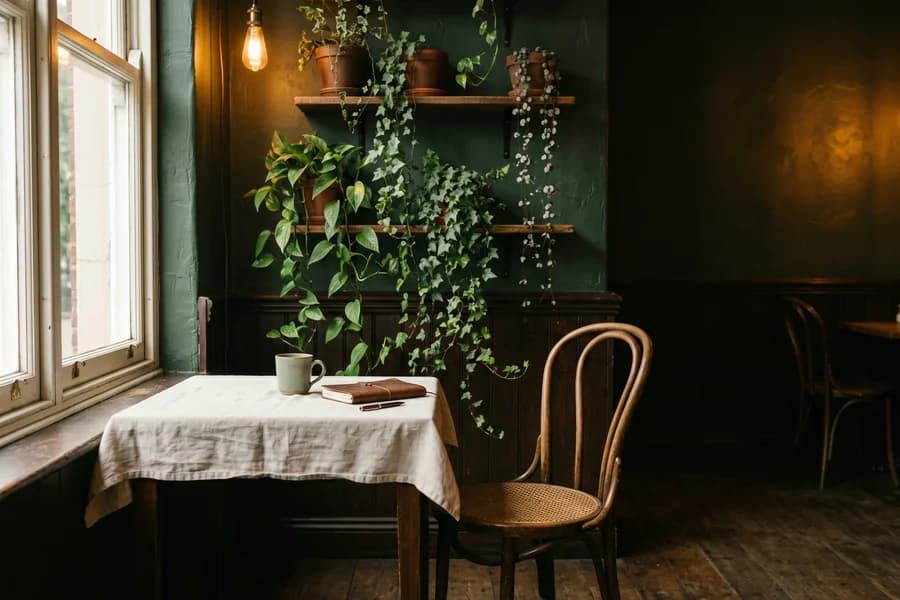
The best outings don't start with a plan—they start with a place. A third place social space, distinct from home and work, creates the conditions for connection without requiring coordination. When you and your friends each have a spot you frequent independently, spontaneous meetups become inevitable.
The Coordination Tax on Modern Friendship
Adult friendship suffers from a coordination problem. Everyone wants to see each other, but initiating requires energy: someone proposes a time, suggests a place, waits for responses, adjusts for conflicts, confirms attendance. By the time you've scheduled drinks for three weeks out, the spontaneous impulse that sparked the idea has evaporated.
The pattern we see is that friendships relying entirely on scheduled events gradually attenuate. Not because anyone cares less, but because every interaction demands administrative overhead. You think of a friend, consider reaching out, realize it means becoming a social project manager, and decide you'll do it next week. Next week becomes next month.
Third places solve this by replacing coordination with presence. A regular coffee shop, a climbing gym with evening sessions, a bar with trivia night, a bookstore with seating—these locations become ambient meeting grounds. You go there anyway. Your friends go there anyway. Overlap happens without negotiation. The outing emerges from parallel routines rather than explicit planning.
This doesn't mean formal plans disappear. It means your social life gains a foundation layer that operates independently of calendar invites. You stop needing permission to see friends; you simply encounter them.
Building a Rotation of Neighborhood Spots
The key is multiple spots, not a single hangout. Variety prevents burnout and matches different moods and energies to appropriate settings.
Identify places you'd visit alone. The venue needs intrinsic appeal beyond its social function. A coffee shop where you genuinely like the coffee. A park where you'd walk anyway. If you only go when meeting someone, it's not a third place—it's just a meeting location.
Establish loose routines. Tuesday morning at the bakery. Thursday evening at the brewery. Weekend afternoons at the climbing gym. Routines don't need rigidity; they need recognizability. Friends learn your patterns, you learn theirs. Group energy and the Thursday effect demonstrates how consistent weekly rhythms amplify connection opportunities.
Anchor to existing habits. The best third places attach to things you already do. The café between your home and the grocery store. The gym you attend anyway. The dog park your morning walk passes through. Integration beats aspiration.
Communicate casually. "I'll be at the usual spot this evening" is lower friction than "Want to meet at 7:30 at the place on Fourth Street?" Shared geography creates shared vocabulary. The usual spot, the corner table, the Thursday crew—these shorthand references reduce coordination overhead to nearly zero.
When your social infrastructure exists independently of any single event, friendship becomes a matter of showing up rather than planning out.
How LIFE Helps
The LIFE outings module tracks your third place rotation and surfaces patterns in your social geography. It identifies which locations generate spontaneous connection, suggests optimal timing windows based on your actual attendance history, and gently prompts you toward the spots that match your current energy level. When coordination is needed, the module makes it effortless—but the goal is creating conditions where explicit planning becomes optional. → Start free with LIFE.
FAQ
What makes somewhere a third place versus just a public location?
A third place is somewhere you attend regularly, independently, with enough familiarity that you feel comfortable lingering. It requires repeat visits over time, some degree of recognition from staff or regulars, and a format that permits open-ended presence rather than transactional interaction. A coffee shop where you read for an hour qualifies; a coffee shop where you only grab takeorders doesn't.
How many third places should someone maintain?
Most people naturally sustain two to four active third places at any given time. More than that and none achieve the regular presence needed for spontaneous overlap. Fewer than that and you lack flexibility when mood or circumstance makes your primary spot unavailable. The ideal number matches your energy for venturing out unprompted.
Does this work in car-dependent areas without walkable neighborhoods?
It's harder but possible. The key shifts from geographic density to schedule predictability. A climbing gym forty minutes away can function as a third place if you go every Tuesday. The pattern is routine presence, not proximity—though proximity certainly makes spontaneous visits easier and therefore more likely to occur organically.
Related Reading
Steady wins.